
Victoria and Tasmania offer free public transport as fuel prices surge amid Middle East conflict
Public transport will be made free in Victoria and Tasmania as governments respond to rising fuel prices linked to conflict in the Middle East and disruptions to global oil supplies.
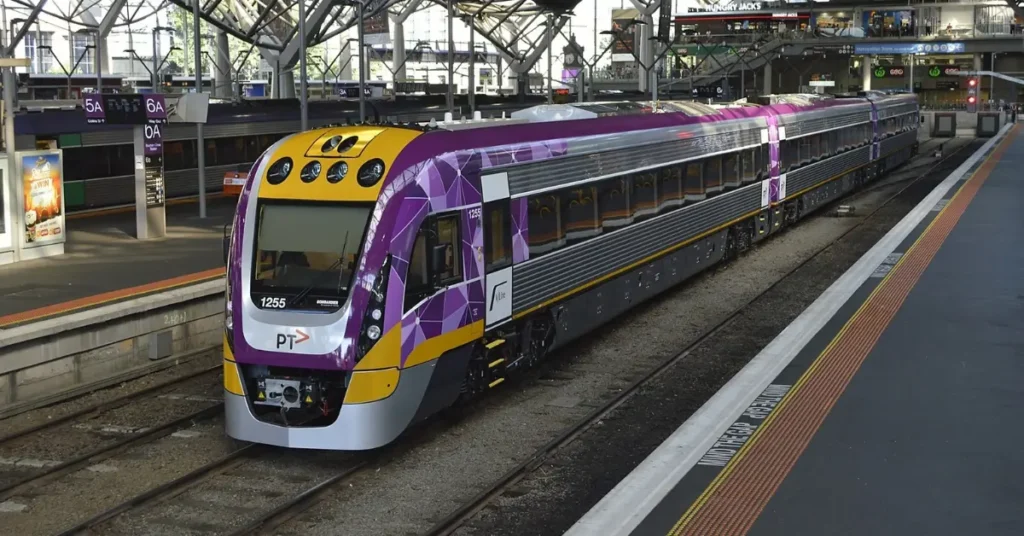
Victoria announced trains, trams and buses across the state would be free throughout April, while Tasmania said its public transport services would operate without charge from Monday until the end of June.
The measures are designed to ease cost-of-living pressures and encourage commuters to leave their cars at home as petrol prices climb.
Australia is among several countries experiencing sharp increases in fuel costs following tensions in the Middle East and disruption to shipping through the Strait of Hormuz, a key global trade route through which a significant share of the world’s oil and natural gas passes.
Prime Minister Anthony Albanese sought to reassure motorists following reports of panic-buying and temporary fuel shortages at some service stations, stating that supply remained stable despite rising prices.
States take different approaches
Victorian Premier Jacinta Allan said the decision to make public transport free was intended to provide immediate relief.
“This won’t solve every problem, but it’s an immediate step to help Victorians right now,” she said.
Tasmanian Premier Jeremy Rockliff noted that the move includes all government-contracted school buses and the Derwent River Ferry. According to the official Travel Free Tasmania guide, this measure could save regular commuters up to $88 per week.
“We know the rising cost of fuel is impacting family budgets, and that’s why we have taken strong action to support Tasmanians,” he said.
However, other states have so far declined to introduce similar measures:
New South Wales Transport Minister John Graham said the state was preparing for sustained demand rather than short-term relief.
“This situation may last more than a month, and we need to ensure our system can cope over the longer term,” he said.
South Australia said it was expanding eligibility for senior travel concessions, while Queensland pointed to its existing low public transport fares introduced last year. Western Australia also noted it had previously reduced fares.
Fuel prices continue to climb
The average price of petrol in Australia rose to about $2.38 per litre last week, up from $2.09 a month earlier. In some regions, prices have already hit record highs of $2.53 per litre, according to the latest ACCC Weekly Fuel Monitoring Update.
Federal officials say the increase is driven primarily by higher global oil prices rather than supply shortages within Australia.
Economists have warned that prolonged disruption to international shipping routes could have broader economic consequences if fuel costs remain elevated.
Governments worldwide have begun introducing measures to reduce travel as the situation develops. You can track the latest market trends through the Australian Institute of Petroleum’s weekly reports.


