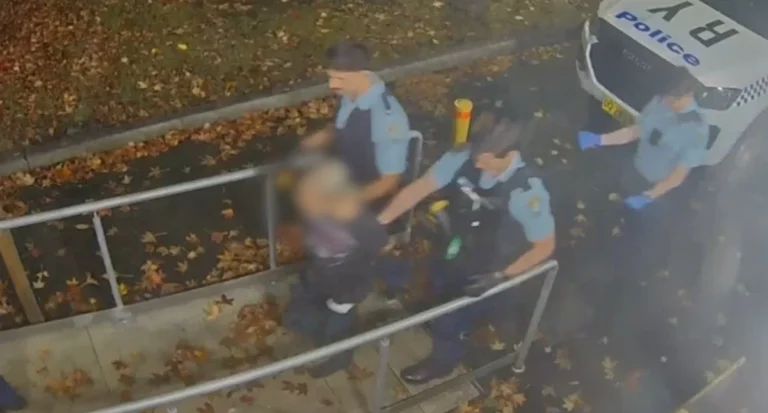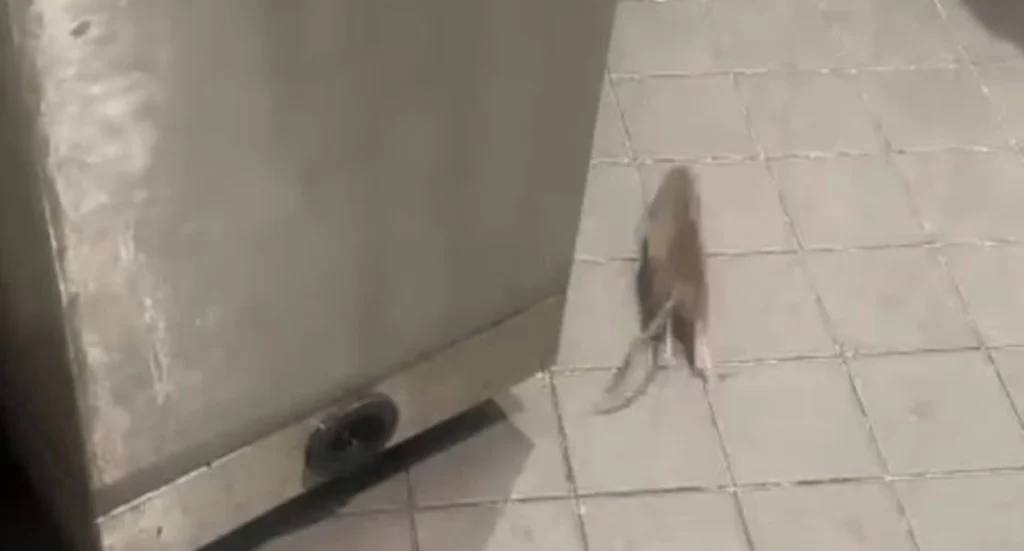
Workers are chasing them out by hand. Shoppers are walking away. And the science of why it’s happening points directly upward to the construction site on level six.
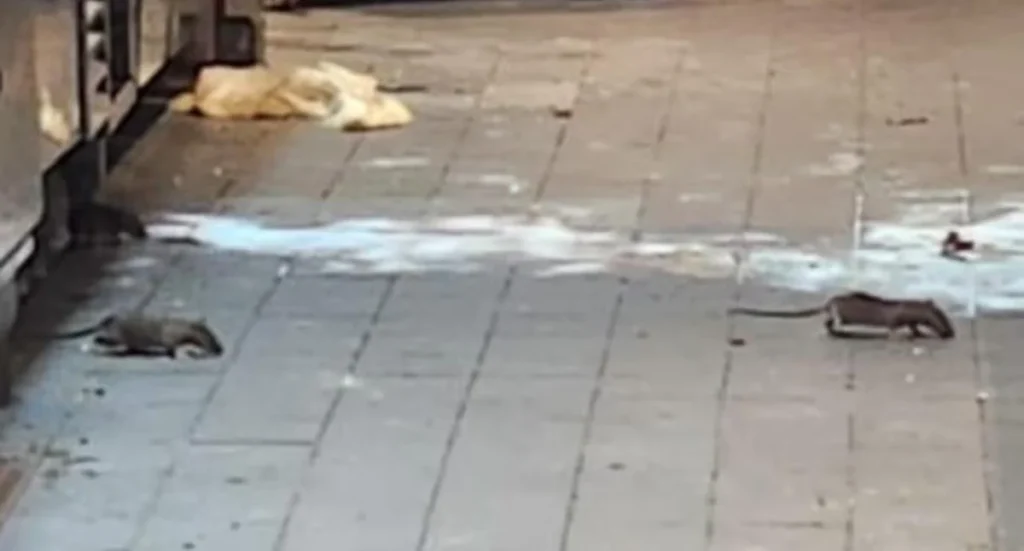
Video obtained from inside the food court at Westfield Bondi Junction tells a story that management’s bland statement does not: rats running through commercial kitchens, scurrying across dining areas, and moving with the casual confidence of animals that know where to find their next meal.
Staff working in the food court say they are at their wits’ end, having been reduced to physically chasing rodents out of their workplaces. Many are pointing the finger at a $250 million renovation underway on the level directly above them and pest control science largely agrees with their diagnosis.
“That’s disgusting. It’s really horrible,” one Westfield shopper told reporters after viewing the footage. Another, asked if the sightings would stop them eating there, was blunt: “Yeah, it would. It definitely would.”
Why construction drives rodents out and where they go
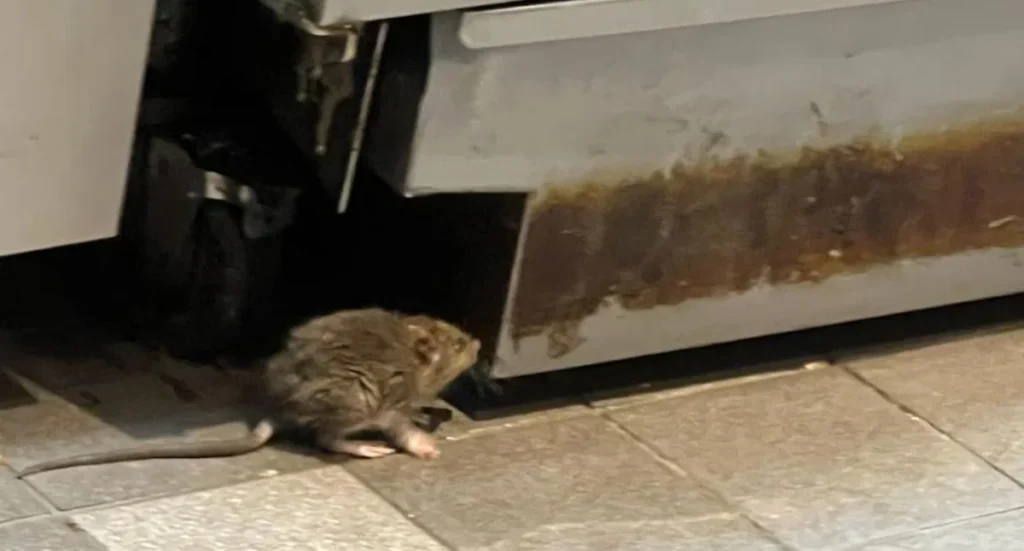
The link between major construction and sudden rodent displacement is well established in the scientific literature.
Construction work disturbs the nests and homes of rodents the process shakes the ground, eliminates structures and clears coverage. Rodents do not feel safe when exposed, so they flee to find new shelter. What looks like a sudden infestation appearing from nowhere is, in most cases, a mass evacuation from a disturbed habitat.
A peer-reviewed study published in Frontiers in Ecology and Evolution confirmed the mechanism directly, finding that construction caused black rats to move to alternate burrows, with habitat modification resulting in increased rat activity, larger home ranges, and movement into previously unvisited areas.
The problem is compounded when large-scale construction occurs in a dense urban environment. A concentration of construction activity displaces large numbers of rodents into a relatively small area. As construction sites become less hospitable, rodents move to nearby properties that offer better access and shelter.
In the case of Westfield Bondi Junction, that nearby property is one floor below a food court with warmth, water, waste bins, and an abundant food supply.
Not the first time, not the first Westfield
Monday’s footage is not an isolated incident and it is not even Westfield’s first rodent scandal.
In 2022, video circulated widely of large rats scurrying across the food court at Westfield Parramatta, prompting a statement from centre management at the time that they conducted “regular and proactive pest control inspections and activities.” In 2019, rats were also reported at Westfield Sydney in the CBD.
The pattern points to a structural challenge that faces any large shopping centre operating in a dense urban environment: urban rats are increasing in numbers globally, linked to climate warming, urbanisation, and human population growth and managing them requires aggressive strategies including rodent-proof waste management, strict building codes around rodent exclusion, and intensive surveillance of infestation areas.
A food court with its multiple tenants, high food waste volumes, and shared bin infrastructure presents exactly the kind of environment where those controls are hardest to maintain consistently across dozens of individual operators.
What Westfield says and what it doesn’t
In a statement, Westfield said it has “regular inspections and targeted measures to eliminate pests” at the centre, carried out in collaboration with business partners who are also required to undertake their own pest control activity. Centre management confirmed that additional pest control and deep cleaning had been deployed in response to the footage, and that food outlets and the supermarket had been put on notice to ensure bins are emptied more frequently.
The statement does not address whether a formal rodent abatement program was conducted before the $250 million level six renovation commenced a standard precaution that pest control experts say is critical before any major construction begins in a building with existing rodent populations.
Abutting areas and workers can be directly impacted by displaced or colonising rodents when construction begins, and new structures are sometimes completed with rodents built into them because rodent control and sanitation were inadequate during the construction phase.
Waverley Council, which has jurisdiction over food safety inspections in the area, has been contacted for comment regarding whether any formal compliance notices have been issued to tenants or centre management in relation to the infestation.
What the food safety rules require
Under the Australia New Zealand Food Standards Code, food businesses are required to take all reasonable measures to prevent pests from entering food premises and to eradicate pests if they are found.
The NSW Food Authority has powers to issue improvement notices, prohibition orders, or penalty infringement notices to food businesses that fail to manage pest risks and has previously taken action against businesses in similar circumstances.
Shoppers who observe evidence of pests in a food business in NSW can report it directly to the NSW Food Authority.