
NSW rules out free public transport despite Victoria and Tasmania fare relief during fuel crisis
New South Wales has ruled out introducing free public transport despite Victoria and Tasmania offering fare-free travel to ease cost-of-living pressures during the ongoing fuel crisis.
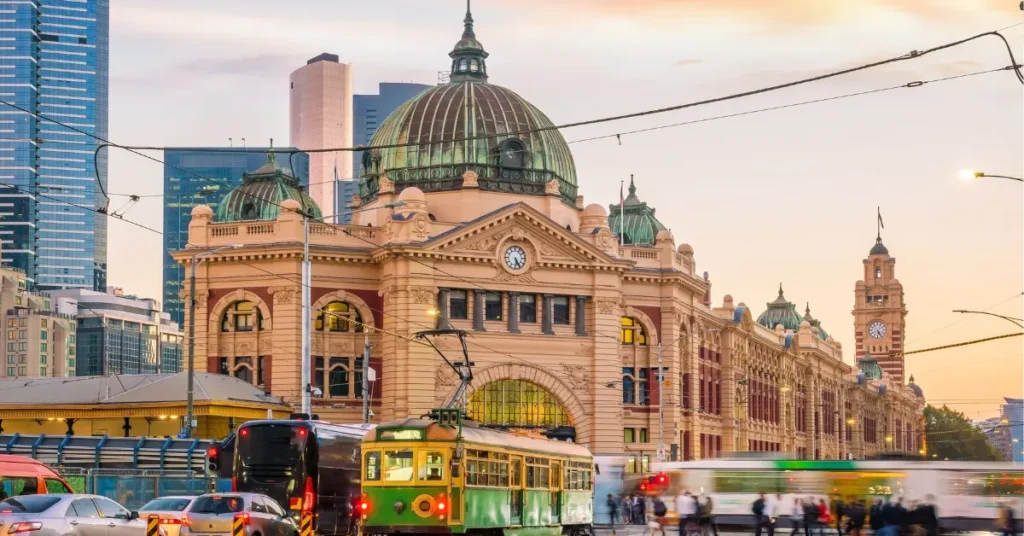
Victorians will receive free public transport for one month starting Tuesday, while Tasmania has announced three months of free services from Monday as governments respond to rising fuel prices linked to conflict in the Middle East. The Guardian reports that while these states are moving toward total fare relief, others remain hesitant.
However, NSW Transport Minister John Graham said the state would avoid adopting a similar policy in the short term, arguing the situation could last longer than a few weeks.
“It’s less likely that we’re going to have fare-free transport for a couple of days or for the month of April, because this situation will last more than a month,” he said.
Graham said the government wanted to keep financial reserves available to support the broader economy if conditions worsened.
Cost concerns behind decision
Victorian Premier Jacinta Allan said her government expected to lose about $71 million in revenue by temporarily removing fares.
“This is a temporary measure to help with the cost of living; it will take pressure off the pump and help you save,” Allan said.
She said a regular commuter could save up to $220 over the course of April.
Other states have signalled caution, citing the significant cost of operating transport networks without fare revenue.
South Australian government spokesperson Blair Boyer said the state remained committed to providing cost-of-living support but was still assessing the most effective approach.
“We will watch what other states do closely, and we will make decisions based around that,” he said.
National response under discussion
The issue is expected to be discussed at a National Cabinet meeting in Canberra, where federal and state leaders are considering a coordinated response to rising fuel prices.
Following the meeting, Prime Minister Anthony Albanese announced a halving of the fuel excise for three months to provide immediate relief at the bowser.
Potential measures under discussion include increased work-from-home arrangements, carpooling initiatives and targeted transport assistance.
Union groups have called for a nationwide approach, arguing that free public transport could provide immediate relief for households facing higher fuel costs.
Economists warn the economic impact will depend on how long global oil prices remain elevated. Modelling suggests a short-term conflict could lead to modest price increases, while a prolonged disruption may significantly raise transport and household costs.
Government leaders have indicated they are seeking to avoid strict restrictions on travel or fuel use, but say contingency plans remain in place if supply pressures intensify.


