The regulator brought the case. The court has now ruled. And the decision sets a benchmark for how Australian supermarkets can legally advertise a discount.
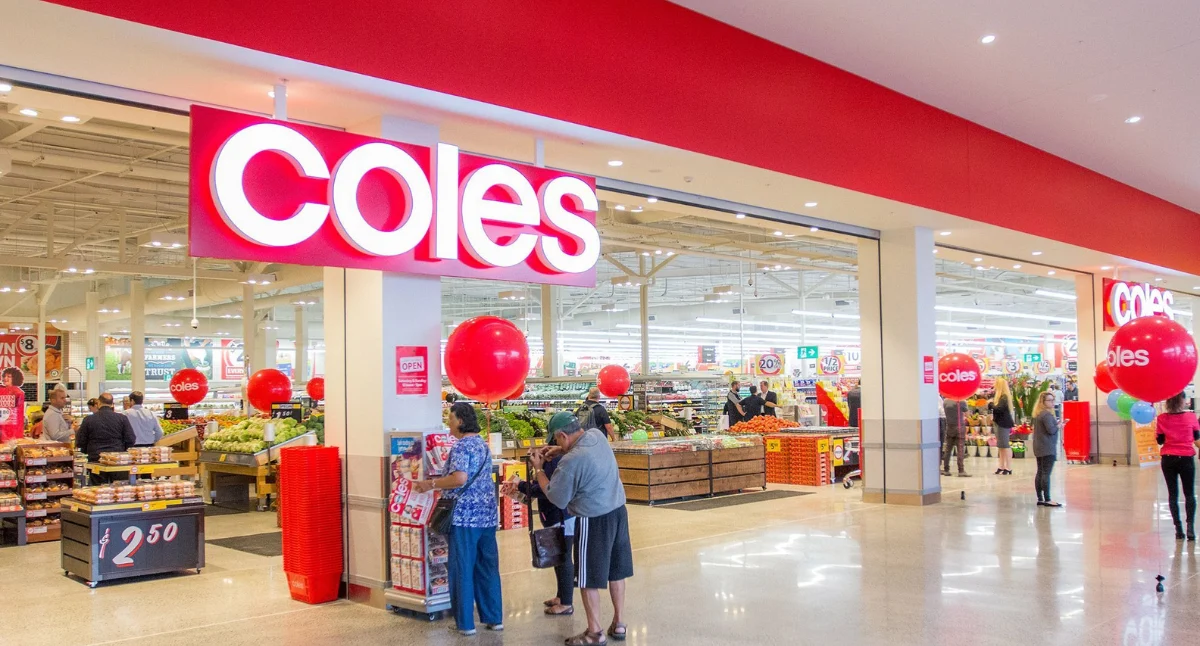
Coles has lost its federal court battle against Australia’s competition regulator, with a judge finding the supermarket giant deliberately disguised price hikes as discounts under its flagship Down Down promotional campaign misleading millions of shoppers who believed they were getting a genuine deal on household essentials.
Federal Court judge Michael O’Bryan handed down his ruling this morning, finding that 13 of the 14 sample products examined in the case were sold at misleading discounts because the higher reference price the “was” price displayed on promotional tickets had not been charged for long enough to be considered genuine.
“I have concluded that 13 of the 14 Down Down tickets that were the subject of consideration in the joint liability trial were misleading because the relevant products were not sold at the price stated on the ticket for a reasonable period,” O’Bryan said.
“As a consequence, the discount represented on the tickets was not genuine.”
What the court found and what it didn’t
The ruling is significant both for what it concluded and for what it accepted from Coles in its defence.
O’Bryan agreed with Coles that the price increases used to establish Down Down reference prices were driven by genuine commercial reasons supply cost increases rather than being artificially manufactured to inflate the appearance of a discount.
“Coles did not select an artificially high ‘was’ price for discount prices to increase the perceived discount,” he said.
The problem, the judge found, was not the reason for the price rise. It was the duration. Coles had not kept products at the new, higher price for long enough before placing them on Down Down promotion and that insufficient window made the resulting discount misleading.
“The Down Down tickets for the sample products wouldn’t have been misleading if they had been sold at that price for at least 12 weeks,” O’Bryan said, effectively establishing a minimum timeframe that must elapse before a promotional discount can be legally represented as genuine.
The dog food example
One product raised during the case illustrated the practice in stark terms.
A 1.2-kilogram can of wet dog food had been priced at $4 for 296 days. Coles then raised the price to $6 for a single week, before dropping it to $4.50 and placing it on a Down Down ticket marketing the $4.50 price as a discount.
Shoppers seeing the ticket would reasonably have concluded the product had come down in price from $6. In practice, it was 50 cents more than they had been paying for the previous ten months.
The ACCC’s response
ACCC chair Gina Cass-Gottlieb welcomed the finding, saying the regulator had pursued the case in the public interest given the volume of consumer complaints it had received about Down Down pricing practices.
“The ACCC brought this case in the public interest because we considered that Coles’ pricing practices within its ‘Down Down’ program made it harder for customers to identify genuine value for money while shopping for household essentials,” Cass-Gottlieb said.
“We understand how important it is for consumers to get value for their supermarket purchases, and decided to take action to test the discounting practices in Court.”
The ACCC’s original action alleged Coles had temporarily increased prices on at least 245 products between February 2022 and May 2023 before placing them on Down Down promotion at prices that were higher than, or the same as, the price before the spike.
Woolworths decision still pending
The ACCC brought near-identical proceedings against Woolworths over its rival Prices Dropped promotional campaign, alleging the same pattern of brief price rises followed by misleading discount claims.
The Woolworths case concluded two weeks ago, with Justice O’Bryan yet to hand down his decision. Today’s Coles ruling is likely to be closely studied by both Woolworths and its legal team before that judgment is delivered.
A penalty hearing for Coles is yet to be scheduled. The financial penalties available to the court under Australian Consumer Law are substantial, with courts able to impose fines of up to $50 million per contravention or three times the benefit obtained from the conduct.