Stop using it. Don’t bin it. And don’t return it to the store.
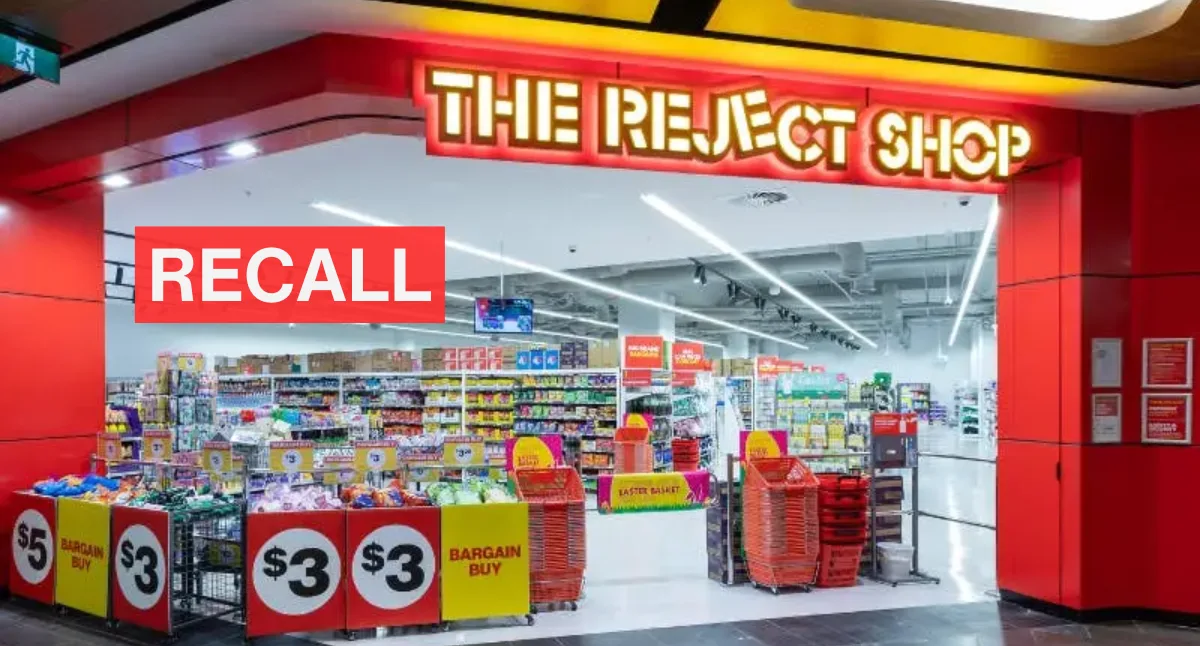
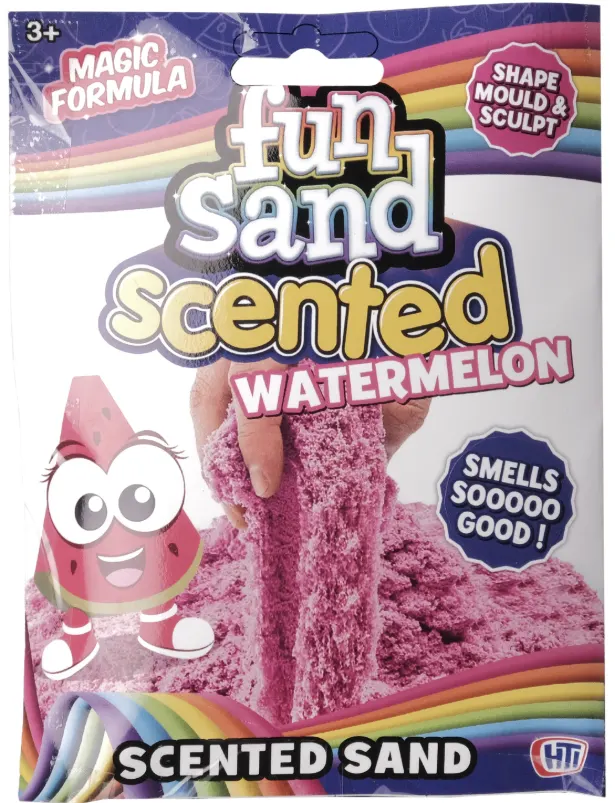
Parents who bought Scented Fun Sand from The Reject Shop are being urged to stop using the product immediately after laboratory testing detected traces of asbestos in some samples.
The Australian Competition and Consumer Commission confirmed the recall, saying traces of anthophyllite asbestos and tremolite asbestos had been found in samples of the play sand a prohibited substance in Australia.
“The play sand may cause a risk to health, as traces of anthophyllite asbestos and tremolite asbestos have been detected in some samples after laboratory testing,” the ACCC said.
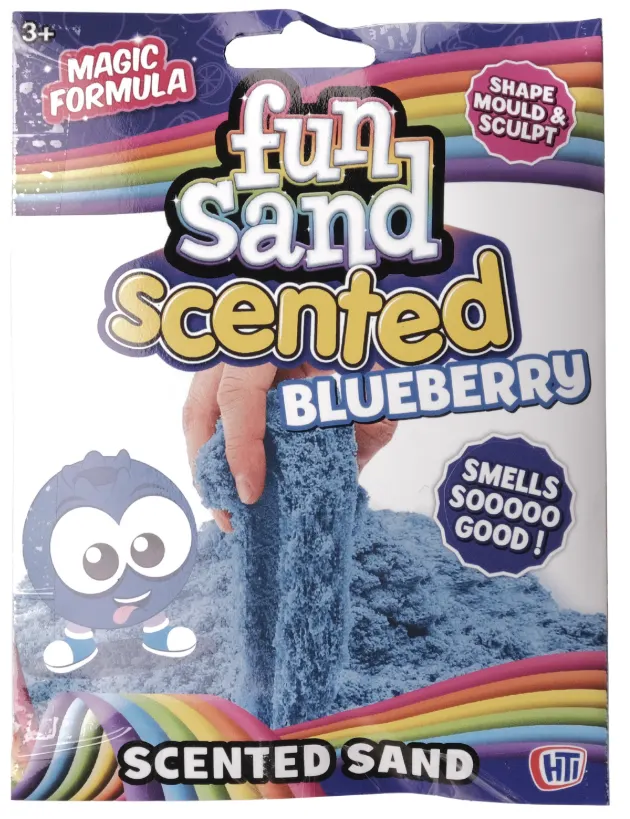
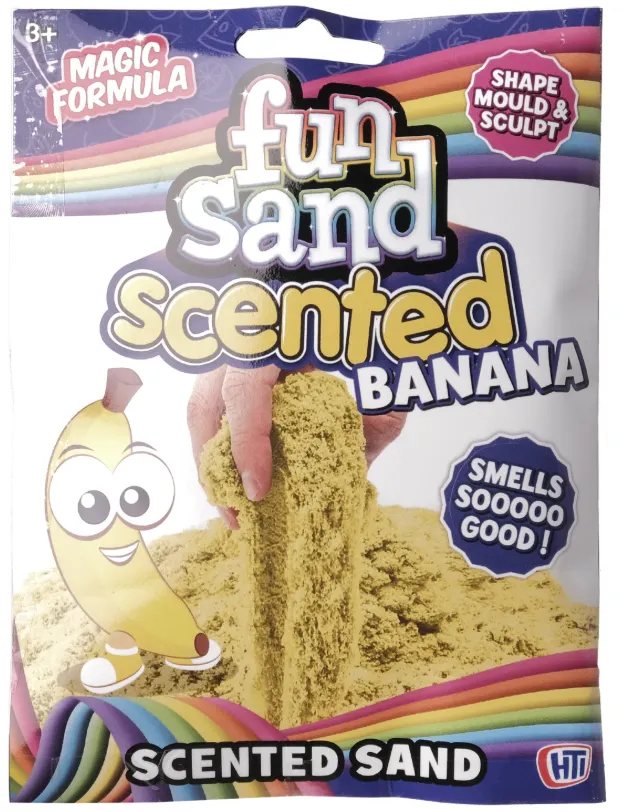
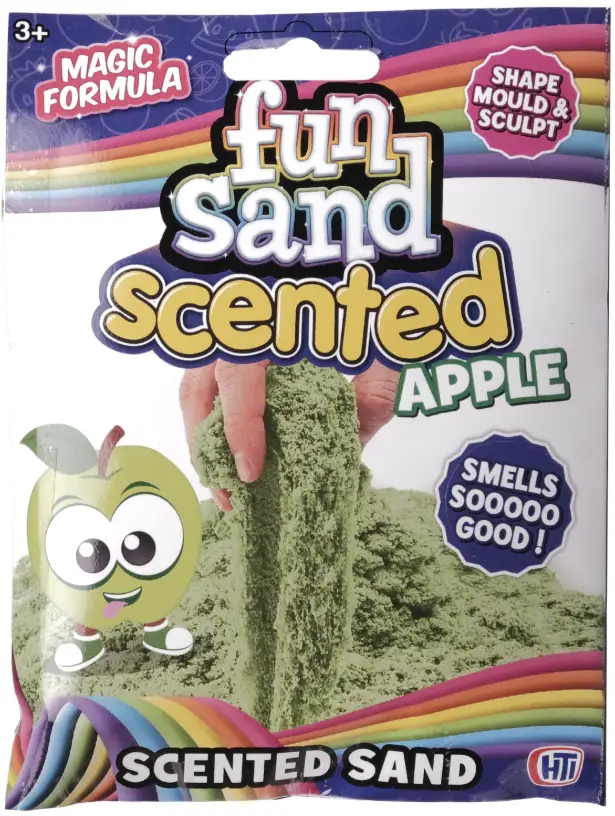
The product was sold in blue, red, yellow and green versions and had been available nationally since January last year. It was marketed as loose, coloured sand that children could mould into different shapes.
What to do if you have it
Families who own the product are being asked not to throw it in the bin, as asbestos-containing materials require safe, dedicated disposal.
Detailed guidance on how to dispose of the sand correctly is available through the Asbestos and Silica Safety and Eradication Agency here.
Refunds are available for anyone who purchased the product. Proof of purchase can be presented in person at any Reject Shop store, or submitted by email to service@rejectshop.com.au along with proof of purchase if you prefer not to visit a store.
Part of a wider pattern
The Reject Shop recall is not an isolated incident. It is one of several sand-related product recalls issued over the past seven months, with Kmart, Officeworks and a number of smaller retailers having already pulled similar products from shelves for the same reason.
The wave of recalls that began in November last year prompted several school closures and widespread concern among parents about household contamination.
A specialist’s view: ‘People should not be overly worried’
When the broader play sand asbestos issue first emerged in November, cancer specialist Anthony Linton wrote in The Conversation urging perspective.
“People should not be overly worried about this as the risk for children and families is going to be very small,” Linton said. “The odds of developing an asbestos-related disease from any exposure in this particular scenario are very low.”
Linton explained that inhalation is typically the primary health risk associated with asbestos and that the sand itself cannot be breathed in unless subjected to mechanical processes such as crushing or pulverising, which release fibres into the air.
“In routine play, the risk of this happening is low,” he said.
That context does not change the recall advice. Families should still stop using the product and dispose of it correctly but Linton’s assessment offers some reassurance that incidental past exposure during normal play is unlikely to represent a significant health risk.
Featured Image: The Reject Shop
For safe disposal instructions, visit the Asbestos and Silica Safety and Eradication Agency at asbestossafety.gov.au. To request a refund from The Reject Shop, email service@rejectshop.com.au with proof of purchase.